
public
Unveiling the psychology behind casino games
The Allure of Chance
The thrill of gambling is deeply intertwined with the allure of chance, captivating players by creating an environment rich in unpredictability. Upon entering a casino, patrons are often met with an array of sights and sounds, such as the jingling of slot machines and celebratory announcements of winners. This stimulation activates the brain’s reward systems, compelling individuals to engage in behaviors linked to risk and reward, especially when they aim for the best online casino experiences. The anticipation of a potential win can create a heightened state of arousal, making the gambling experience more exhilarating.
This concept of chance also taps into our fundamental desire for control over our circumstances. Many gamblers hold the belief that they can influence outcomes through particular strategies, even when the games themselves are purely based on luck. Such beliefs can lead to cognitive biases, such as the “gambler’s fallacy,” in which individuals erroneously think that their previous losses will affect future outcomes. This misunderstanding not only perpetuates gambling behavior but also intensifies emotional investment in games, reinforcing the cycle of play even further.
Moreover, the randomness inherent in gambling offers an escape from the routines of everyday life. For many, visiting a casino provides a break from reality, immersing them in a realm of fantasy and excitement. The combination of hope, escapism, and the pursuit of a jackpot creates a compelling environment for gamblers, drawing them deeper into the experience with every roll of the dice or spin of the wheel. This allure of chance serves as a powerful motivator, often overshadowing the risks involved in gambling.
The Role of Emotions in Gambling
Emotions are central to understanding gambling behavior, as they can significantly affect the decision-making processes of individuals. The emotional highs associated with winning and the lows of losing can create a rollercoaster of feelings that influence further gambling. Research indicates that people in emotionally charged states may make impulsive decisions they would typically avoid when calm. In a casino setting, where the environment is intentionally designed to evoke strong feelings, these impulsive choices become even more pronounced.
The excitement that accompanies a win can create a euphoric sensation, compelling players to continue their gaming endeavors. This phenomenon, known as the “near-miss effect,” occurs when players come close to winning, leading them to attempt to play again in the hope of achieving that elusive victory. Casinos are keenly aware of this psychological tendency and design games to feature frequent near-wins, thereby fostering an addictive cycle that can ensnare gamblers emotionally. Conversely, losses can trigger the “chasing losses” behavior, where individuals bet more in a desperate attempt to recover their previous losses, deepening their entanglement in high-risk gambling.
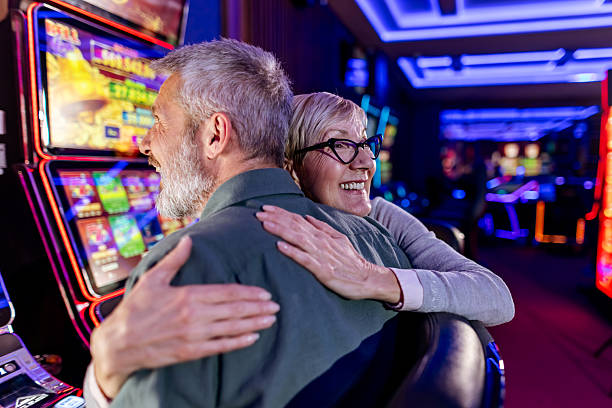
Additionally, the social dynamics present in casinos can amplify emotional responses. Shared experiences of winning and losing among peers can heighten excitement and foster a sense of camaraderie, which may encourage individuals to gamble more than they would in isolation. However, this social pressure can also lead individuals to engage in gambling behaviors they might otherwise resist. By intertwining emotions with social influences, casinos create an environment that supports ongoing gambling habits, complicating the relationship between players and their gambling activities.
Cognitive Biases and Gambling Behavior
Cognitive biases play a formidable role in shaping gambling behavior, often leading individuals to misinterpret probabilities and outcomes. One prevalent bias is the “illusion of control,” wherein gamblers mistakenly believe they can influence the outcome of a game, despite the odds being stacked against them. This belief can lead to increased gambling as individuals persist in demonstrating their perceived skills or strategies, even when the game is fundamentally chance-based. The illusion of control can be particularly damaging, as it may encourage players to gamble more recklessly.
Another common cognitive bias is the “availability heuristic,” which leads individuals to assess the likelihood of an event based on how easily they can recall similar occurrences. For example, hearing about a substantial winner at a casino may cause someone to overestimate their own chances of winning. This distortion can foster an unrealistic view of gambling as a potential income source, prompting more individuals to visit casinos in hopes of replicating those success stories. Such misconceptions can be detrimental, as they often lure people into a false sense of security regarding their gambling activities.
Furthermore, confirmation bias can entrap gamblers by leading them to seek out information that validates their gambling behavior while ignoring evidence to the contrary. A player might focus exclusively on their wins while conveniently overlooking their losses, reinforcing the belief that they are successful gamblers. This skewed perception can be harmful, as it may lead to excessive gambling and rationalizations that do not align with reality. By understanding these cognitive distortions, individuals may become more aware of their thought processes and better equipped to navigate their gambling experiences.
The Impact of Environment on Gambling Behavior
The physical environment of a casino is meticulously crafted to enhance the gambling experience and influence player behavior. Bright lights, vibrant colors, and sounds of laughter or excitement create a stimulating atmosphere that encourages prolonged engagement. The layout of a casino is specifically designed to guide players towards games, with strategically placed slot machines and table games enticing visitors to remain on the floor and gamble more. This carefully curated environment plays a significant role in how individuals perceive their gambling experience.

Casinos also employ sensory experiences to promote spending, often offering free drinks and complimentary services to keep players engaged on the gaming floor. By creating a sense of comfort and luxury, casinos effectively distract patrons from the harsh realities of their losses. The ambiance is engineered to foster a perception of winning, encouraging individuals to participate in more gambling than they initially intended. This psychological manipulation can significantly impact gambling behavior, making it difficult for players to maintain control over their actions.
The absence of clocks and windows in many casinos further contributes to a disconnection from time, allowing players to lose track of how long they have been gambling. This lack of temporal awareness can lead to extended gaming sessions and increased financial expenditures, as players remain oblivious to the time and money they are spending. The environment serves as a powerful tool, skillfully manipulating gamblers’ perceptions and prolonging their stay within the casino, often resulting in behaviors that are contrary to their initial intentions.
Understanding Responsible Gambling
Understanding the psychology behind gambling is crucial for promoting responsible gambling practices. The potential for gambling addiction stemming from emotional and cognitive biases necessitates a concerted effort to raise awareness about the associated risks. Many casinos have begun implementing responsible gambling initiatives, encouraging players to set limits on their spending and time spent in the casino. These measures serve as essential tools in breaking the cycle of compulsive betting, providing players with the resources they need to gamble responsibly.
Education plays a pivotal role in fostering responsible gambling habits. By providing information about the odds of winning, the effects of cognitive biases, and the psychological impact of gambling, individuals can be empowered to make informed choices. Additionally, numerous organizations offer support to those grappling with gambling addiction, providing resources and counseling to help individuals establish a healthier relationship with gambling. This educational approach is essential in cultivating a culture of responsible gambling.
Ultimately, the casino environment can be both thrilling and perilous. By grasping the psychological mechanisms at play, individuals can navigate their experiences more safely and responsibly. As awareness of responsible gambling practices continues to grow, it is hoped that more players will engage in mindful behaviors that prioritize their well-being, reducing the risks of addiction and fostering a healthier approach to gambling. The journey toward understanding and managing the psychological aspects of gambling is vital for ensuring a balanced and enjoyable experience.
